
INDIGENOUS-INFORMED COUNSELLING
Indigenous-Informed Counselling
Healing that honours your culture, your story, and your pace, guided by two-eyed seeing.
Land Acknowledgement
A land acknowledgement is a relational alliance with our community. It is our way of affirming that we do not look away from the difficult parts of our shared history.
At The Grief & Trauma Healing Centre, we provide care across the expansive and sacred territories of Treaties 6, 7, and 8 and the Otipemisiwak Métis Government. Our team reflects the land itself: a diverse collective of Indigenous, Métis, and Settler practitioners and professionals. We recognize that we each carry different histories, lived experiences, and relationships to this ground. For some of us, this land is an ancestral heartbeat; for others, it is a place of guestship and ongoing learning.
As a practice, we are a ‘work in progress,’ committed to a clinical path that honours Indigenous sovereignty and integrates diverse ways of knowing. Whether we are unlearning old biases or reclaiming ancestral wisdom, we ensure our offices are spaces of genuine safety, deep listening, and collective healing.
We stand in reverence of the Elders and ancestors who have held the wisdom of these territories for generations. Our practice is a commitment to the future, a promise to walk with both the vulnerability of a guest and the strength of a neighbour. With every session and every story, we aim to move toward a collective healing that is guided by the heart, and anchored in truth.

Finding Culturally Safe Mental Health Support
At The Grief & Trauma Healing Centre, we know your healing journey is uniquely yours. For many Indigenous clients, Western psychology alone isn't enough. We offer an unconditionally supportive space where your cultural identity, sacred traditions, and personal healing preferences are deeply honoured.
We serve First Nations, Métis, and Inuit clients in-person in Edmonton, Calgary, and Sherwood Park. Secure online counselling is also available Alberta-wide.
Our Services
Our therapists support Indigenous clients navigating:
Trauma: Historical trauma, residential school impacts (direct or intergenerational), abuse, violence
Grief and loss: Deaths in the community, Missing and Murdered Indigenous Women and Girls (MMIWG), cultural loss
Identity and belonging: Reconnecting with culture, navigating urban/reserve life, mixed heritage, adoption/Sixties Scoop impacts
Mental health conditions: Depression, anxiety, PTSD, complex trauma, suicidal thoughts
Substance use: Alcohol or drug dependence, harm reduction support
Family and relationships: Parenting challenges, intimate partner conflict, family breakdown, child welfare involvement
Systemic oppression stress: Ongoing racism, discrimination, poverty, housing instability, justice system involvement
Our Approach: Two-Eyed Seeing
We practice two-eyed seeing (Etuaptmumk), honouring both Indigenous knowledge systems and Western psychology, using the strengths of each. You decide which tools feel right for your healing journey.
The following philosophies guide our work:
You are the expert on your life. Therapy follows your goals, your pace, and your preferences.
Culture is medicine. Ceremony, land, Elders' teachings, and community are powerful; Western psychology is one tool, not a replacement.
Trauma-informed, always. We understand how historical and ongoing trauma shows up. We build trust slowly and never blame you for survival responses.
Healing is relational. Family, community, and collective wellness are deeply intertwined with personal growth.
Leading with humility. Our team recognizes that we do not have all the answers, and we are honoured to listen, learn, and walk alongside you and your community.
How to Get Started

Step 2: We'll Match You with the Right Therapist
Based on your needs, preferences, location, and availability, we prioritize finding the right fit for your journey.
As our therapist network is highly specialized—with smaller capacity for NIHB—we may have fewer options at times; however, we are committed to helping you explore the best available resources. Clients retain full autonomy to choose their therapeutic path, define their wellness goals, and decide in tandem with their therapist which approaches work best for them.

Step 3: First Appointment
• Bring your Status Card if applicable
• Come as you are. Your unique journey is welcome here, and we meet you wherever you are on it
• Your first session is about getting to know each other and figuring out if it's a good fit

Step 4: Ongoing Support
• Sessions typically weekly or bi-weekly, but flexible based on your needs
• Your therapist will check in regularly about whether the approach is working for you
Key Questions You May Have
1. Can I see an Indigenous therapist at The Grief & Trauma Healing Centre ?
Yes. We have both Indigenous therapists (First Nations and Métis) and non-Indigenous therapists with specialized training in Indigenous-informed care on our team. When you contact us, let us know your preference and we'll find the right match.
2. Does The Grief & Trauma Healing Centre accept NIHB (Non-Insured Health Benefits) coverage?
We are deeply committed to making specialized support accessible, and we are continuously working to expand our roster of approved Non-Insured Health Benefits (NIHB) providers through Indigenous Services Canada. Currently, the following therapists are enrolled and ready to walk alongside you:

Diana offers a deeply compassionate, 2SLGBTQIA+ affirming space for children, adults, and Elders. Specializing in EMDR, DBT, and Indigenous Focusing Oriented Therapy, she meets clients exactly where they are to navigate complex grief and trauma.
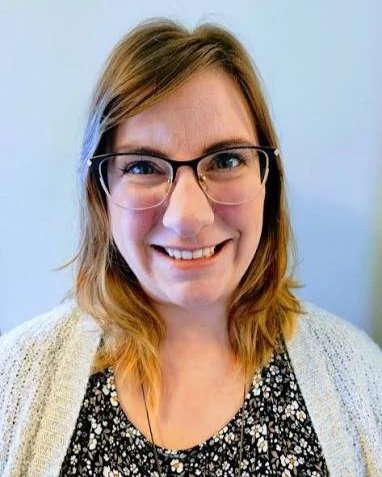
Alana views healing as a sacred journey, offering an unconditionally supportive space for teens and adults navigating grief, family trauma, and loss. Specializing in EMDR, somatic embodiment, and the Grief Recovery Method, she empowers clients to safely reconnect and heal.
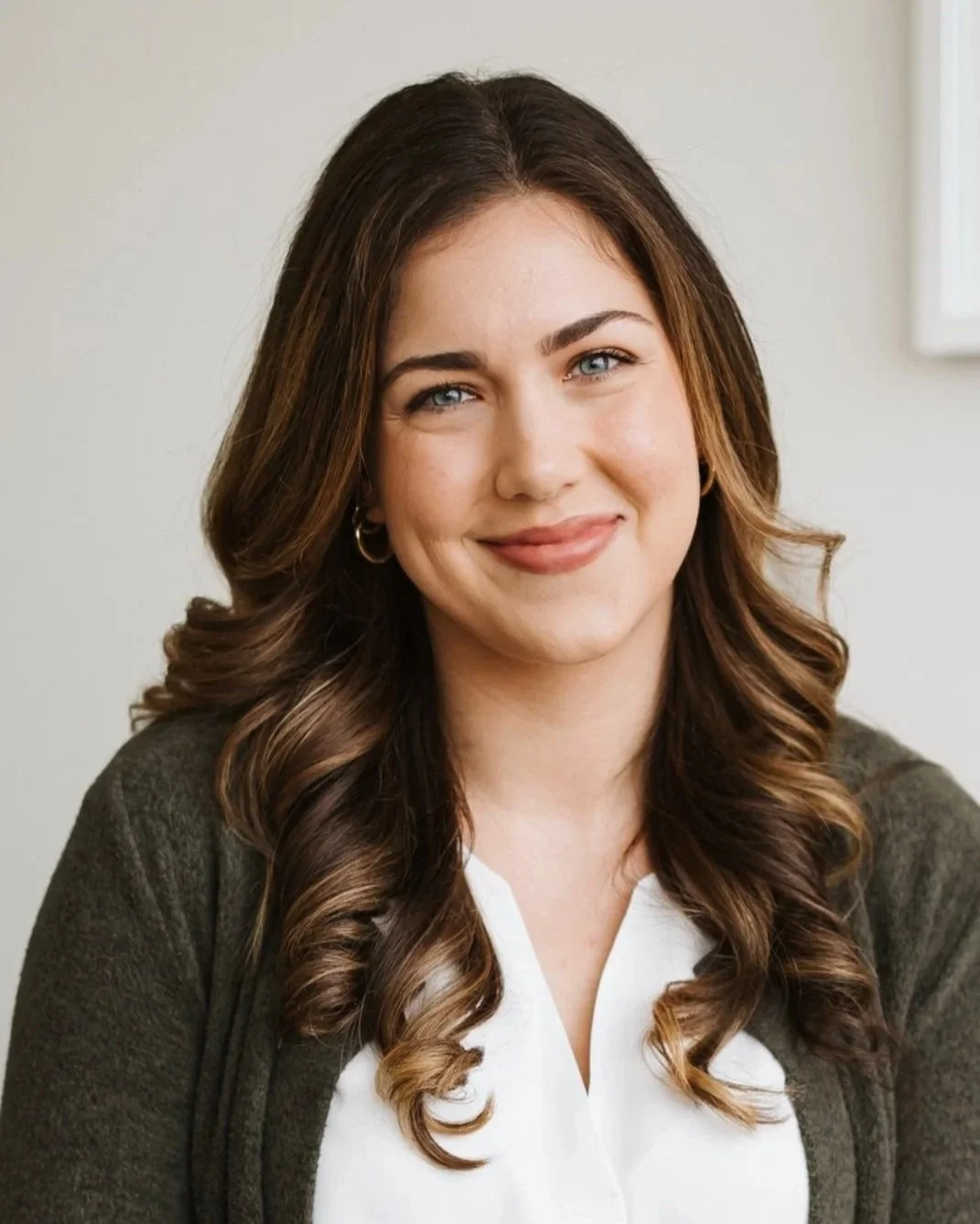
Jessica offers a safe, collaborative, and deeply validating space for adults navigating grief, trauma, and dissociation. Specializing in EMDR, ACT, and the Grief Recovery Method, she empowers clients to heal using evidence-based approaches tailored to their unique needs.
Learn more about NIHB eligibility →
3. Will my therapist understand intergenerational trauma and the impacts of colonization?
Yes, this is foundational to our Indigenous-informed approach. Our team of Indigenous-informed therapists at The Grief & Trauma Healing Centre understand the lasting effects of residential schools, intergenerational trauma transmission, the Sixties Scoop and ongoing child welfare over-intervention, systemic racism within healthcare, justice, and social services and much more.
Our therapists don't expect you to educate them about these realities, our therapists have taken the time to understand the broader context shaping many Indigenous experiences, allowing you to focus on feeling supported, understood, and receiving the care you need.
4. Can I integrate traditional healing practices into my therapy?
Absolutely. We recognize that Western talk therapy is just one pathway to healing. Your therapist can support you in working alongside and building connections with Elders, participating in ceremonies, using Medicine Wheel teachings, connecting with the land, and any other culturally meaningful practices that feel important to you and your healing journey.
You decide what healing looks like for you. Some clients prefer a primarily Western therapeutic approach, while others want their care more deeply connected to culture and tradition. There is no single “right” way to heal, only the approach that feels most supportive, safe, and meaningful for you.
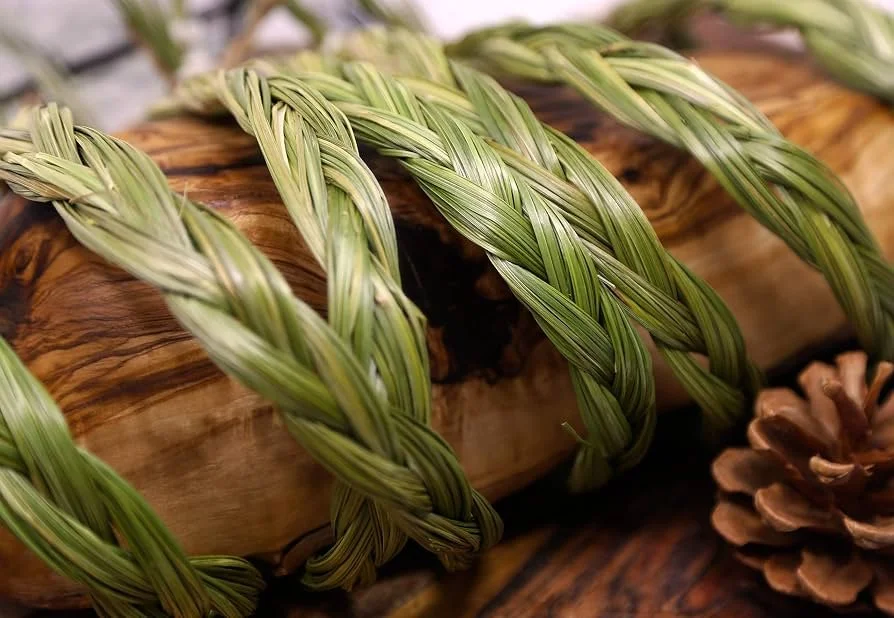
Note on smudging: While building regulations and allergies limit onsite smudging, your therapist can discuss other meaningful ways to support your spiritual preparation and healing journey.
5. Can I bring family members or Elders to my sessions?
Yes. We understand that healing is deeply relational and communal for many Indigenous people. You are always welcome to invite extended family, Elders, Knowledge Keepers, or community supporters. Just let your therapist know in advance so we can prepare the session and ensure there is enough space and time for everyone to feel comfortable.
6. What if I'm not sure I want to see a psychologist? What if I'm worried about being judged or misunderstood?
It is entirely understandable to have questions or concerns about counselling, especially if you've had negative experiences with healthcare, social services, or other support systems in the past. At The Grief & Trauma Healing Centre, we offer an unconditionally supportive space where your experiences, values, and perspectives are deeply honoured. We are committed to:
No assumptions. We hold space for your unique story without judgment or stereotypes. You are the expert of your own life, and we are here to listen.
Your pace. Healing happens on your timeline. You are in complete control of what you share and when you share it. We will never rush you.
Protected confidentiality. What you share stays safely between you and your therapist. The only exceptions are when we are ethically or legally required to step in to keep someone safe—such as an immediate risk of serious harm to yourself or others, concerns about a child's safety, or a court order.
If at any point you feel misunderstood or uncomfortable, you can ask for a different therapist, no questions asked, no judgment.
Additional Resources
Hope for Wellness Helpline (24/7 crisis support): 1-855-242-3310
National Indian Residential School Crisis Line: 1-866-925-4419
Missing and Murdered Indigenous Women and Girls Crisis Line: 1-844-413-6649
Kids Help Phone (Youth & Young Adults): Text CONNECT, FIRST NATIONS, INUIT, or METIS to 686868 (24/7).
9-8-8 Suicide Crisis Helpline (All ages): Call or text 9-8-8 (24/7, available across Canada).